Footpath Policy 2026

Share Footpath Policy 2026 on Facebook Share Footpath Policy 2026 on X (formerly Twitter) Share Footpath Policy 2026 on Linkedin Email Footpath Policy 2026 link

Thank you everyone for your feedback and ideas to help us plan new footpaths in Manningham. Yyour feedback has been incorporated into our Footpath Policy and adopted by Council on 30 June, 2026.

Community feedback played a key role in shaping the approach, with around 200 responses received through surveys, advisory groups and in person engagement.

Feedback highlighted the importance of improving safety, accessibility and connections to everyday destinations such as shops, parks and public transport, while also recognising the need to balance local character and environmental considerations.

The policy reflects this community feedback to guide future planning, prioritisation and delivery of footpaths, ensuring investment is directed where it delivers the greatest community benefit.

The approach shifts focus from a one size fits all model to one that responds to the diverse needs of the community.

It considers connectivity to key local destinations, safety, accessibility, neighbourhood character and environmental context, allowing Council to take a more holistic view when making decisions.

This is particularly relevant locally given Manningham’s legacy of areas without footpaths, shaped by historical subdivision and development patterns that pre date contemporary accessibility and walking standards. Read the final Footpath Policy.


Thank you everyone for your feedback and ideas to help us plan new footpaths in Manningham. Yyour feedback has been incorporated into our Footpath Policy and adopted by Council on 30 June, 2026.

Community feedback played a key role in shaping the approach, with around 200 responses received through surveys, advisory groups and in person engagement.

Feedback highlighted the importance of improving safety, accessibility and connections to everyday destinations such as shops, parks and public transport, while also recognising the need to balance local character and environmental considerations.

The policy reflects this community feedback to guide future planning, prioritisation and delivery of footpaths, ensuring investment is directed where it delivers the greatest community benefit.

The approach shifts focus from a one size fits all model to one that responds to the diverse needs of the community.

It considers connectivity to key local destinations, safety, accessibility, neighbourhood character and environmental context, allowing Council to take a more holistic view when making decisions.

This is particularly relevant locally given Manningham’s legacy of areas without footpaths, shaped by historical subdivision and development patterns that pre date contemporary accessibility and walking standards. Read the final Footpath Policy.


  • Council adopts our updated Footpath Policy on 30 June.

    Share Council adopts our updated Footpath Policy on 30 June. on Facebook Share Council adopts our updated Footpath Policy on 30 June. on X (formerly Twitter) Share Council adopts our updated Footpath Policy on 30 June. on Linkedin Email Council adopts our updated Footpath Policy on 30 June. link
    supporting image

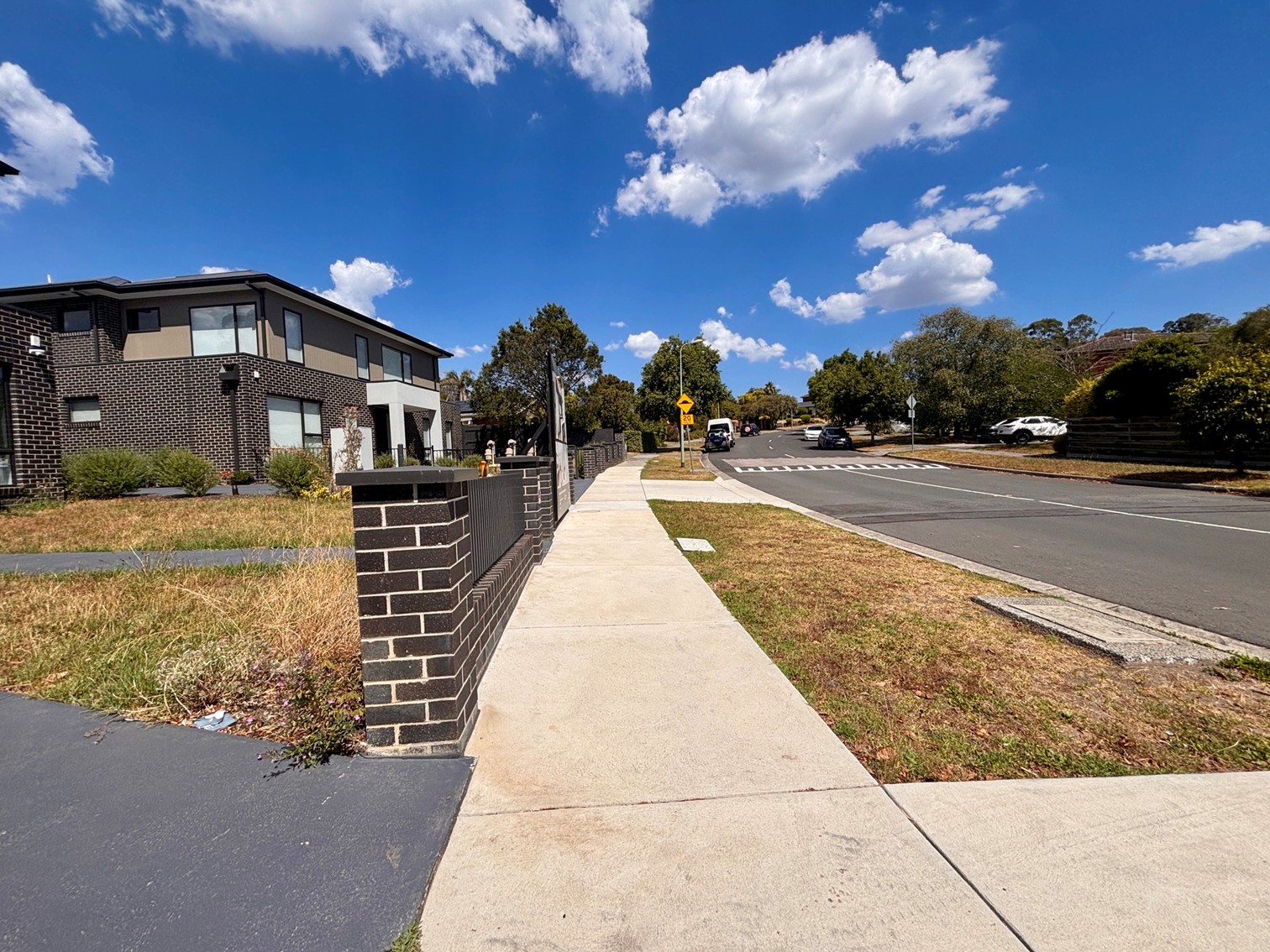
    Following community consultation earlier this year, Council adopted an updated Footpath Policy on 30 June.

    Manningham Mayor, Cr Jim Grivas, said the approach shifts focus from a one size fits all model to one that responds to the diverse needs of the community.

    Read our Footpath Media Release

    Following community consultation earlier this year, Council adopted an updated Footpath Policy on 30 June.

    Manningham Mayor, Cr Jim Grivas, said the approach shifts focus from a one size fits all model to one that responds to the diverse needs of the community.

    Read our Footpath Media Release

  • Here's what you told us about how you use footpaths

    Share Here's what you told us about how you use footpaths on Facebook Share Here's what you told us about how you use footpaths on X (formerly Twitter) Share Here's what you told us about how you use footpaths on Linkedin Email Here's what you told us about how you use footpaths link
    supporting image

    Community consultation was undertaken between 24 March and 19 April 2026 to inform the development of Manningham’s Footpath Policy, with a focus on how Council prioritises new footpaths across the municipality.

    Engagement operated at the IAP2 ‘Consult’ level, seeking feedback on prioritisation criteria, accessibility, connectivity and local character, while making clear that site-specific requests and maintenance issues were outside scope.

    Participation

    Approximately 200 responses were received through:

    • Online survey
    • Written submissions
    • Advisory group engagement
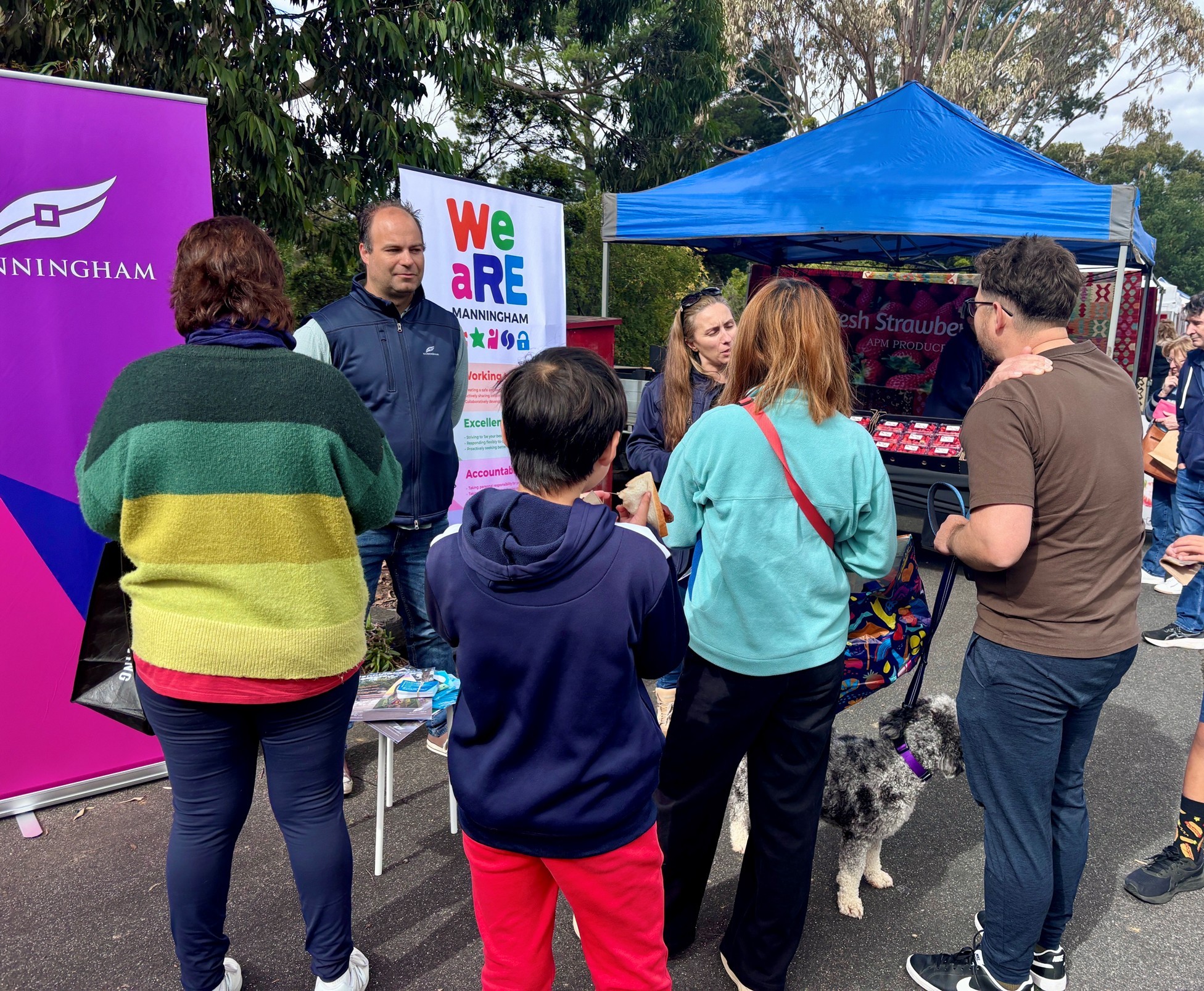
    • In-person discussions at Warrandyte Festival and Park Orchards Market
    • QR coded-signage at 15 activity centres and reserves

    Participation was higher in Warrandyte and Park Orchards, with

    Community consultation was undertaken between 24 March and 19 April 2026 to inform the development of Manningham’s Footpath Policy, with a focus on how Council prioritises new footpaths across the municipality.

    Engagement operated at the IAP2 ‘Consult’ level, seeking feedback on prioritisation criteria, accessibility, connectivity and local character, while making clear that site-specific requests and maintenance issues were outside scope.

    Participation

    Approximately 200 responses were received through:

    • Online survey
    • Written submissions
    • Advisory group engagement
    • In-person discussions at Warrandyte Festival and Park Orchards Market
    • QR coded-signage at 15 activity centres and reserves

    Participation was higher in Warrandyte and Park Orchards, with lower response rates from younger residents and culturally diverse communities.

    Key insights

    1. Strong support for improved accessibility and safety
    Participants emphasised the importance of safe, inclusive footpaths, particularly for people with disability, carers, and older residents.

    2. Connectivity is a priority
    Footpaths are valued for connecting people to shops, schools, services and public transport, as well as for recreation and wellbeing.

    3. Desire for clearer and more transparent decision-making
    There is strong interest in understanding how footpath decisions are made, with a preference for greater visibility and explanation rather than direct decision-making control.

    4. Local context matters
    Green Wedge communities expressed strong preference for treatments that reflect rural character, including support for alternative surfaces in appropriate locations.

    5. No single solution fits all
    Different user groups prioritise different outcomes, reinforcing the need for a flexible, fit-for-place approach.

    Out of scope feedback

    Some feedback related to maintenance, lighting and site-specific requests. These have been referred to relevant service areas and will inform future work where appropriate.

    How feedback informed the policy

    Consultation outcomes have strengthened the policy by:

    • Improving transparency
      Providing clearer guidance on how footpaths are prioritised and assessed
    • Balancing accessibility and local character
      Strengthening direction on adapting to different contexts, including Green Wedge areas
    • Refining material selection guidance
      Supporting standard materials in high-demand areas, with flexibility for alternative treatments
    • Strengthening accessibility focus
      Increasing emphasis on inclusive design and practical application of accessibility standards
    • Maintaining flexibility
      Establishing a high-level framework supported by detailed assessment tools, allowing adaptation over time

    Next steps

    • Present to Council for adoption 30 June 2026
    • Implement through capital works planning
    • Communicate outcomes to the community

    Conclusion

    The consultation has informed a clearer, more transparent and more balanced Footpath Policy, supporting consistent and defensible decision-making across Manningham.


  • Your feedback helping to shape our final footpath policy

    Share Your feedback helping to shape our final footpath policy on Facebook Share Your feedback helping to shape our final footpath policy on X (formerly Twitter) Share Your feedback helping to shape our final footpath policy on Linkedin Email Your feedback helping to shape our final footpath policy link
    supporting image

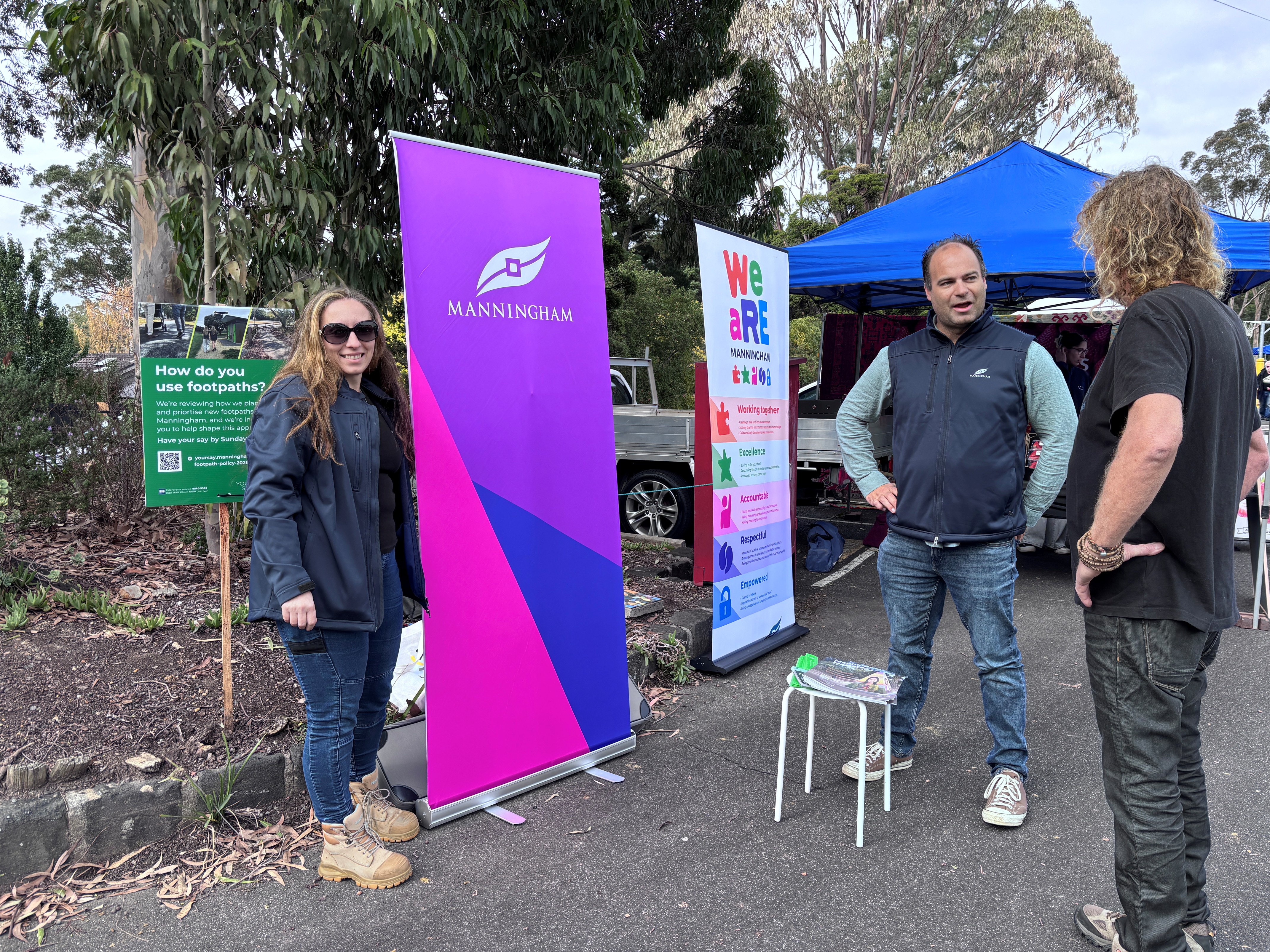
    Thank you to everyone who took part in our Footpath Policy consultation. We received 200 submissions, providing valuable insights into how people use footpaths and what matters most when planning future investment.

    Summary of key themes from the consultation:

    • Accessibility
    • Safety for people with limited mobility
    • Maintaining the character of rural and Green Wedge areas.

    One resident shared, “We are both seniors and one of us has difficulty walking more than short distances.The absence of footpaths in many areas presents significant safety hazards.”

    Others highlighted the importance of place, noting, “More rural areas of Manningham are best placed with crushed rock or no footpaths to maintain their rural appeal.”

    “The draft policy seems reasonable enough and it provides the criteria and weightings used when considering footpath work, something I've not been able to obtain from Council.”

    Next steps

    We’ll consider your feedback as we prepare the final Footpath Policy, which will be presented to Council on 30 June.

    Thank you to everyone who took part in our Footpath Policy consultation. We received 200 submissions, providing valuable insights into how people use footpaths and what matters most when planning future investment.

    Summary of key themes from the consultation:

    • Accessibility
    • Safety for people with limited mobility
    • Maintaining the character of rural and Green Wedge areas.

    One resident shared, “We are both seniors and one of us has difficulty walking more than short distances.The absence of footpaths in many areas presents significant safety hazards.”

    Others highlighted the importance of place, noting, “More rural areas of Manningham are best placed with crushed rock or no footpaths to maintain their rural appeal.”

    “The draft policy seems reasonable enough and it provides the criteria and weightings used when considering footpath work, something I've not been able to obtain from Council.”

    Next steps

    We’ll consider your feedback as we prepare the final Footpath Policy, which will be presented to Council on 30 June.

  • Help shape Manningham’s future footpaths

    Share Help shape Manningham’s future footpaths on Facebook Share Help shape Manningham’s future footpaths on X (formerly Twitter) Share Help shape Manningham’s future footpaths on Linkedin Email Help shape Manningham’s future footpaths link
    supporting image

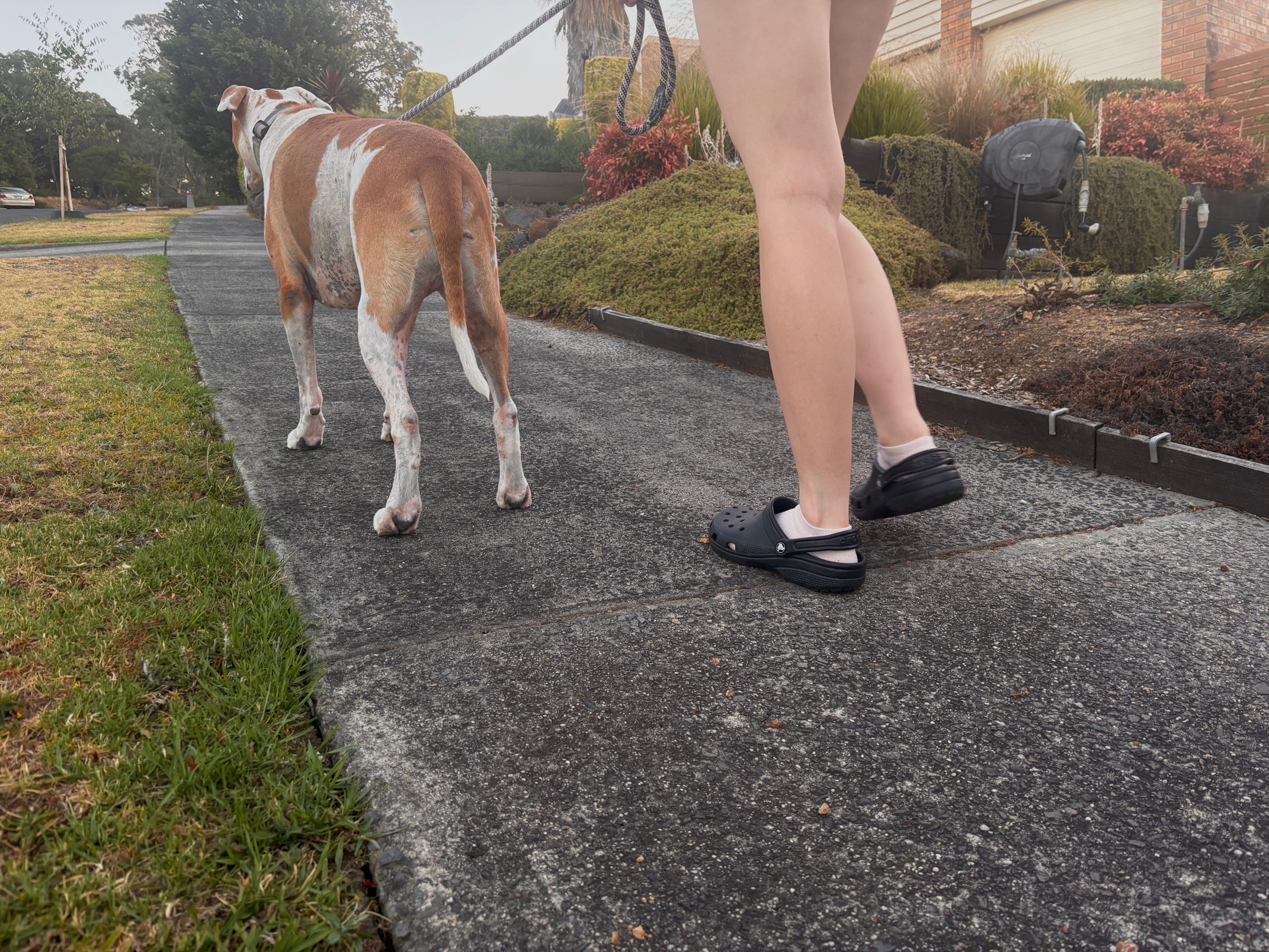
    Footpaths play a big role in everyday life – whether you’re walking to the local shops, heading to the nearest bus stop, walking children to school or simply getting some fresh air and exercise.

    We’re reviewing how we plan and priortise new footpaths across Manningham, and we’re inviting our community to help shape this approach.

    Why now?

    Manningham has a legacy of areas without footpaths. While we’ve been building new paths for many years, demand continues to grow.

    We currently priortise new footpaths using a range of factors, including how many people walk in the area, the type of road, access to public transport and how close the route is to community facilities.

    While this approach has served us well, we want to better understand how you use footpaths and what matters most when balancing safety, accessibility, location and long‑term planning.

    That’s why we’re inviting the community to have their say on our draft Footpath Policy.

    How do we decide which footpaths make the cut?

    Council is developing a priority assessment program to ensure decisions are fair, consistent, and based on clear criteria.

    The new Footpath Policy will set:

    • criteria for where new footpaths should be provided
    • a prioritisation process to allocate funding fairly.

    We know there are are gaps in our network, and this policy is about creating a fair and transparent way to prioritise new footpaths.

    Your feedback will help us make decisions that reflect what matters most to you.

    Have your say

    We’re sharing a draft Footpath Policy so you can see what a policy looks like and have your say on what’s proposed.

    We’re also asking some broader questions about how you use footpaths in your day‑to‑day life.

    Both your feedback on the draft policy and your experiences using footpaths will be considered together to help shape the final policy.

    What you can influenceWhat's not in scope for this policy

    The criteria used to prioritise locations for new footpaths.

    Maintenance or repair of existing footpaths.

    Which planning factors should carry the most weight (e.g. safety, accessibility, connectivity).

    Selecting surfaces or designs for specific locations.

    Community values and preferences that inform footpath material selection in different settings.

    Shared paths (bike / shared use paths).

    Wording and the overall approach of the draft Footpath Policy.

    Decisions that impact legal obligations, safety, or access or our green wedge.

    This survey is now closed. Have your say by completing our short survey by Sunday 19 April 2026.

    Footpaths play a big role in everyday life – whether you’re walking to the local shops, heading to the nearest bus stop, walking children to school or simply getting some fresh air and exercise.

    We’re reviewing how we plan and priortise new footpaths across Manningham, and we’re inviting our community to help shape this approach.

    Why now?

    Manningham has a legacy of areas without footpaths. While we’ve been building new paths for many years, demand continues to grow.

    We currently priortise new footpaths using a range of factors, including how many people walk in the area, the type of road, access to public transport and how close the route is to community facilities.

    While this approach has served us well, we want to better understand how you use footpaths and what matters most when balancing safety, accessibility, location and long‑term planning.

    That’s why we’re inviting the community to have their say on our draft Footpath Policy.

    How do we decide which footpaths make the cut?

    Council is developing a priority assessment program to ensure decisions are fair, consistent, and based on clear criteria.

    The new Footpath Policy will set:

    • criteria for where new footpaths should be provided
    • a prioritisation process to allocate funding fairly.

    We know there are are gaps in our network, and this policy is about creating a fair and transparent way to prioritise new footpaths.

    Your feedback will help us make decisions that reflect what matters most to you.

    Have your say

    We’re sharing a draft Footpath Policy so you can see what a policy looks like and have your say on what’s proposed.

    We’re also asking some broader questions about how you use footpaths in your day‑to‑day life.

    Both your feedback on the draft policy and your experiences using footpaths will be considered together to help shape the final policy.

    What you can influenceWhat's not in scope for this policy

    The criteria used to prioritise locations for new footpaths.

    Maintenance or repair of existing footpaths.

    Which planning factors should carry the most weight (e.g. safety, accessibility, connectivity).

    Selecting surfaces or designs for specific locations.

    Community values and preferences that inform footpath material selection in different settings.

    Shared paths (bike / shared use paths).

    Wording and the overall approach of the draft Footpath Policy.

    Decisions that impact legal obligations, safety, or access or our green wedge.

    This survey is now closed. Have your say by completing our short survey by Sunday 19 April 2026.
Page last updated: 15 Jul 2026, 03:54 PM